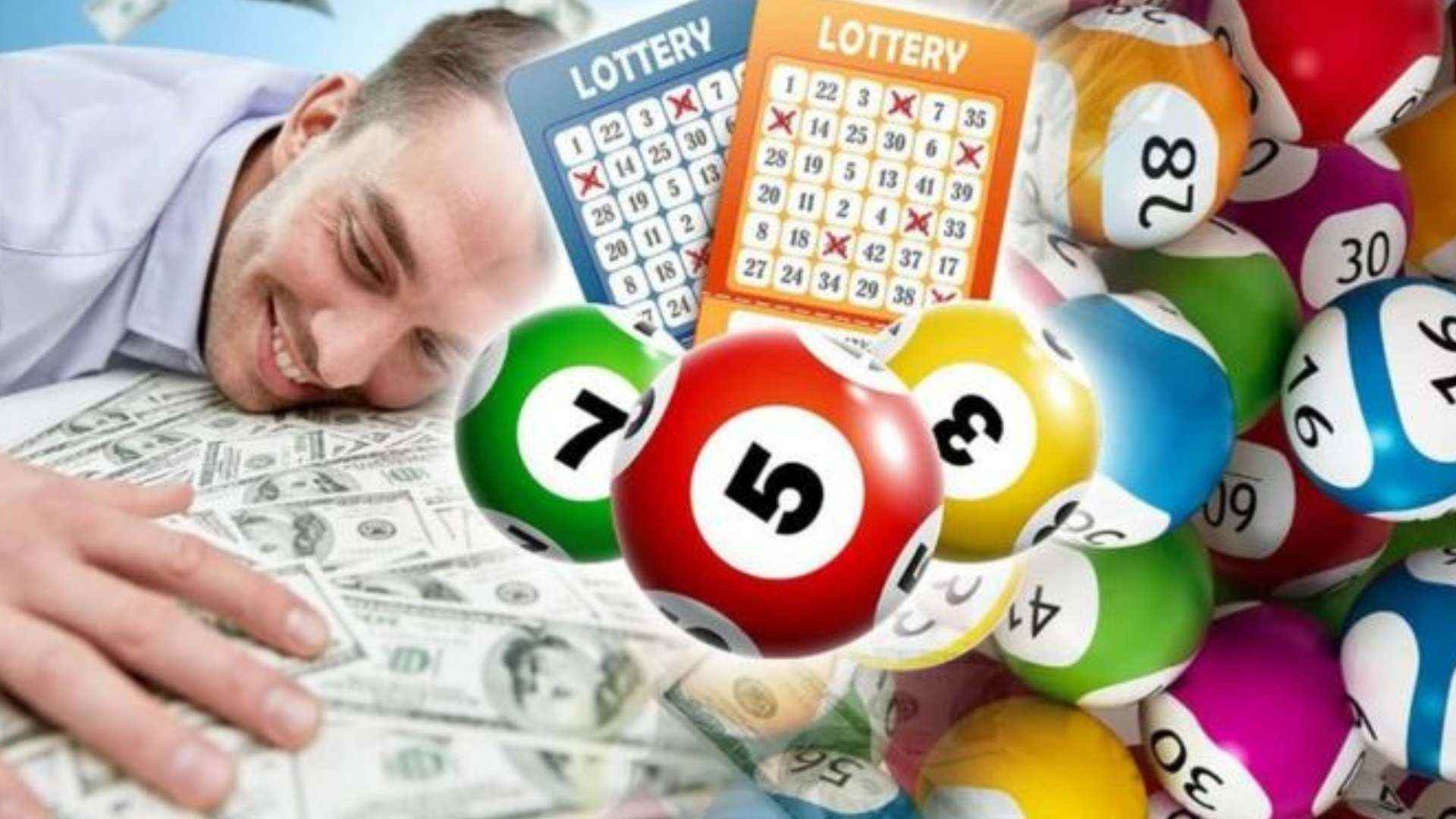
Many modern tabletop and digital entertainment systems incorporate mathematical chance to keep individuals engaged and challenged. While beginners often view these activities as entirely dependent on luck, experienced players recognize that analytical reasoning plays a vital role in securing long-term success. Engaging with these structural mechanics offers a fantastic way to stretch your cognitive limits and refine your daily problem-solving abilities.
The Core Mechanics of Randomness and Strategy
At the heart of every probability-based system lies the interplay between complete uncertainty and strict mathematical deduction. Strategic thinkers do not simply hope for favorable outcomes; instead, they calculate structural frequencies and make optimal choices based on incomplete data. This methodical framework transforms chaotic scenarios into structured exercises that heavily reward disciplined decision-making.
Understanding how random variables distribute over time helps individuals look past short-term losses and focus on sustainable advantages. By treating each round as a distinct dataset, participants learn to manage expectation values rather than relying on pure intuition. Cultivating this analytical mindset effectively bridges the historical gap between casual gaming and formal statistical training.
How Logical Choices Minimize Uncertain Risks
Navigating structural risk is an essential skill developed by systematically analyzing mathematical variations during complex gameplay. Logic allows individuals to identify hidden patterns, assess potential outcomes, and avoid common cognitive errors such as the gambler's fallacy. Making calculated decisions ensures that players remain composed even when dealing with unpredictable disruptions.
For those looking to explore digital variations of these statistical challenges, utilizing a versatile platform like the game stick m88 provides an excellent environment to practice real-time odds assessment. Observing how virtual number generators operate helps enthusiasts build strong analytical skills in a dynamic setting. This practical exploration reinforces foundational mathematical principles through interactive play.
Developing Long-Term Cognitive Flexibility
Regularly participating in chance-based puzzles stimulates major cognitive pathways associated with planning, resource management, and emotional control. Players must continuously adjust their strategies based on shifting variables, which mirrors real-life organizational decision-making processes. This continuous adaptation ensures that the human mind remains sharp, flexible, and capable of handling complex challenges.
Unlike deterministic activities that offer a single correct solution, probability systems present multiple fluctuating paths that require constant evaluation. This fluid dynamic encourages creative problem-solving and teaches individuals to accept calculated uncertainty with absolute confidence. Over time, these exercises cultivate deep mental resilience that applies directly to professional and personal environments.
Practical Steps to Enhance Mathematical Logic
Improving your analytical performance requires starting with simple activities that rely on basic dice or traditional card mechanics. Focus on tracking the baseline frequency of specific results rather than attempting to guess the exact outcome of a single turn. This foundational practice gradually trains your brain to evaluate scenarios using realistic statistical parameters.
Maintaining a detailed journal of your strategic choices and final results can highlight behavioral biases that disrupt logical reasoning. By auditing previous rounds, you can refine your tactical approach and optimize your future participation levels. With consistent practice, navigating structural uncertainty becomes an accessible, educational, and deeply rewarding experience.