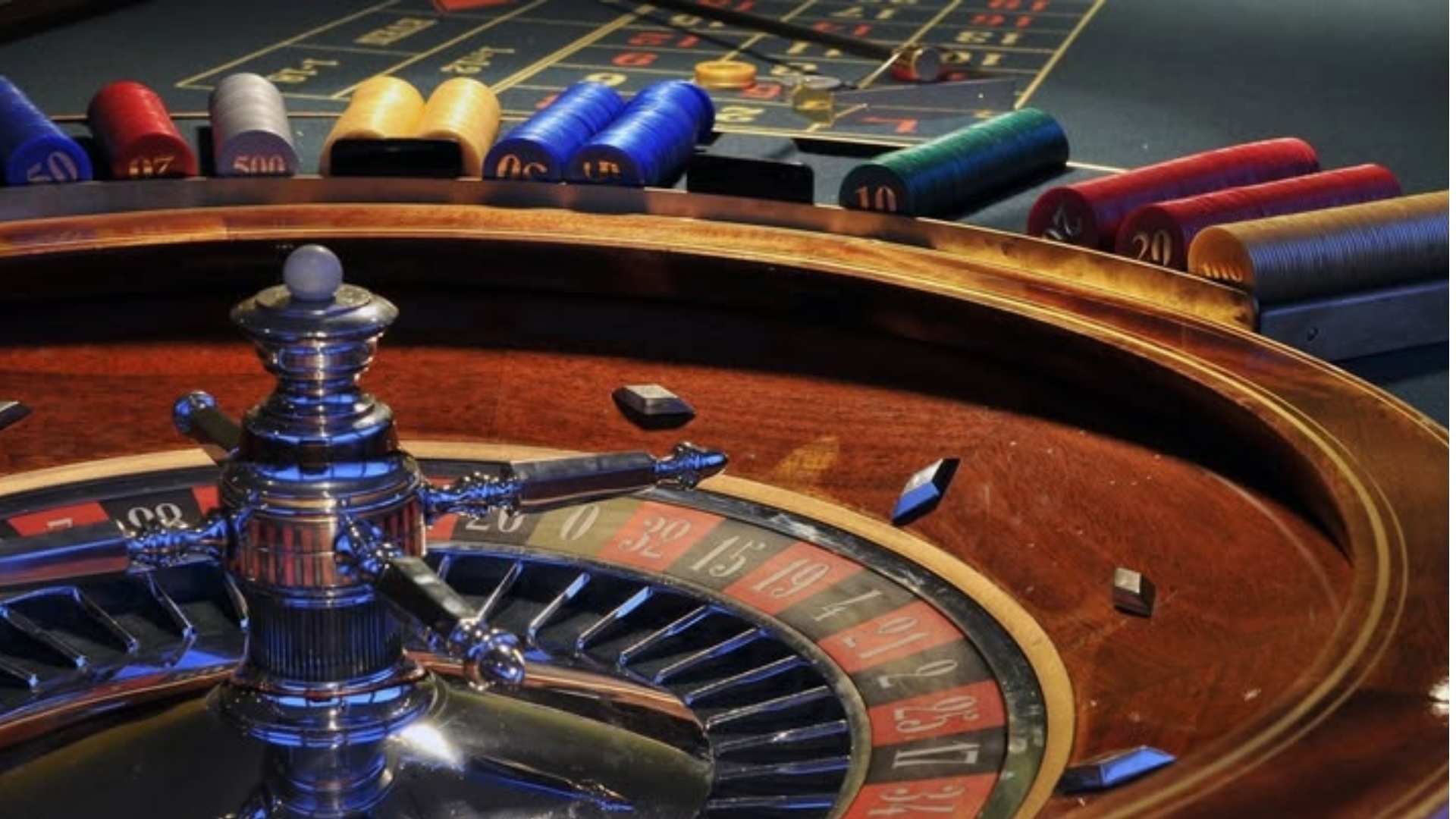
When faced with a completely randomized spinning wheel, the human mind naturally seeks an anchor to create a sense of predictability. Even though mathematical probability dictates that every pocket has an equal chance of landing, players often fixate on a specific digit that carries personal meaning. This continuous search for a lucky selection transforms a simple game of chance into a highly personalized and engaging psychological experience.
The Evolutionary Drive for Pattern Recognition
Our ancestors relied heavily on identifying environmental trends and patterns to ensure their daily survival. In the modern world, this deeply ingrained cognitive process manifests as an active search for order within chaotic or randomized systems. When looking at a multi-segmented prize wheel, the brain instinctively rejects the idea of pure chaos and attempts to establish a meaningful connection.
By selecting a specific digit, individuals feel they are actively participating in the outcome rather than passively watching a mechanical event. This subconscious framework provides psychological comfort, reducing the existential anxiety that completely unpredictable environments often provoke. Over time, these simple mental habits solidify into complex belief structures regarding personal luck and favorable outcomes.
The Illusion of Control in Random Games
Psychologists frequently study the illusion of control, a phenomenon where individuals overestimate their ability to influence a purely chance-driven event. Choosing a specific number gives participants a false sense of agency, making them feel as if their decision directly impacts where the pointer will land. This psychological buffer makes the entire gaming experience feel far more manageable and structured.
When a player interacts with digital gaming interfaces or checks updates on platforms like m88bet, having a designated personal anchor helps maintain high levels of focus. This emotional investment ensures that every single rotation feels meaningful, even when the underlying code operates on total randomness. Ultimately, the belief in a special number shifts the narrative from mechanical statistics to a personal test of destiny.
Emotional Comfort and Personal Milestones
Lucky numbers are rarely chosen at random; they are typically tied to significant life milestones, birthdays, or cultural traditions. Bringing these meaningful digits into a game environment creates an instant emotional connection that enhances overall enjoyment. The game ceases to be just an external activity and instead becomes a reflection of the player's unique identity.
When the wheel slows down and approaches the chosen segment, the surge of anticipation is significantly amplified due to this personal connection. Even if the wheel misses the target, the near-miss effect often encourages the individual to try again with the same selection. This emotional loop keeps the activity lighthearted, familiar, and deeply compelling over multiple sessions.
The Shared Narrative of Community Superstitions
In many social and competitive environments, sharing stories about specific digits builds a unique sense of community among participants. Players love to discuss historical wins, recurring digits, and personal rituals that supposedly bring good fortune to the table. This collective storytelling adds a fascinating layer of cultural lore to otherwise straightforward mechanical systems.
Whether observing a physical prize wheel at a local carnival or interacting with modern software-driven spinners, the human desire for a lucky charm remains identical. It transforms a basic mathematical demonstration into a dramatic sequence filled with shared hope, suspense, and entertainment. In the end, searching for that perfect digit reminds us that human imagination always finds a way to color the blank canvas of probability.